

The Benefits of Choosing Reiki for Your Wellbeing

Reiki offers a gentle yet powerful way to support your physical, emotional, and mental health. Many people seek Reiki when they want a natural method to reduce stress, improve relaxation, and promote healing. If you wonder why you should choose Reiki, this post explores its benefits and how it can enhance your overall wellbeing.

What Reiki Is and How It Works
Reiki is a Japanese technique for stress reduction and relaxation that also supports healing. It involves a practitioner placing their hands lightly on or just above the body to channel energy. This energy flow helps balance the body's natural energy systems, encouraging the body to heal itself.
Unlike many therapies, Reiki does not require physical manipulation or medication. Instead, it works on an energetic level, which can complement other treatments or stand alone as a holistic approach.
Key Benefits of Reiki for Your Wellbeing
Choosing Reiki can bring several practical benefits that improve your quality of life:
Stress Reduction and Deep Relaxation
Reiki sessions often lead to a profound sense of calm. This relaxation helps lower cortisol levels, the hormone linked to stress, which can improve sleep and reduce anxiety.
Pain Relief and Physical Healing Support
Many people report reduced pain after Reiki treatments. While it is not a replacement for medical care, Reiki can ease discomfort from conditions like arthritis, migraines, or muscle tension.
Emotional Balance and Mental Clarity
Reiki helps clear emotional blockages and supports mental focus. People often feel more centered and emotionally stable after sessions.
Improved Sleep Quality
By calming the nervous system, Reiki can help those struggling with insomnia or restless nights find better rest.
Enhanced Energy and Vitality
Reiki can boost your overall energy levels by clearing energy blockages, leaving you feeling refreshed and more vibrant.
Real-Life Examples of Reiki’s Impact
Consider Sarah, who struggled with chronic migraines. After several Reiki sessions, she noticed fewer headaches and less intensity when they occurred. Or James, who used Reiki to manage anxiety during a stressful work project. He found that the sessions helped him stay calm and focused.
These examples show how Reiki can support wellbeing in everyday life, offering relief and balance without side effects.

What to Expect During a Reiki Session
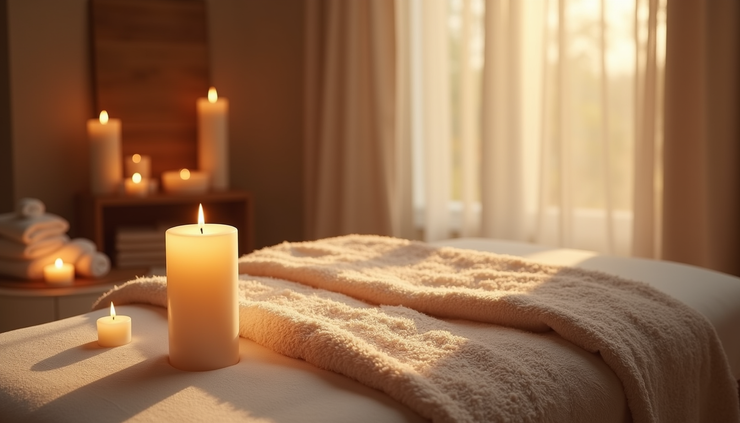
A typical Reiki session lasts about 60 minutes. You lie fully clothed on a massage table while the practitioner moves their hands over different parts of your body. The touch is light or sometimes just above the skin.
Many people feel warmth, tingling, or a deep sense of peace during the session. Some even experience emotional releases or vivid imagery, which are signs of energy shifting.
Reiki is safe for all ages and can be used alongside other medical or therapeutic treatments.
How to Choose a Reiki Practitioner
Finding the right Reiki practitioner matters for a positive experience. Look for someone who:
Has proper certification and training
Shares clear information about their approach
Makes you feel comfortable and respected
Offers a consultation to discuss your needs before starting
Personal recommendations or reviews can also help you find a trusted practitioner.
Integrating Reiki into Your Wellness Routine
Reiki works well as part of a broader wellness plan. You can combine it with practices like meditation, yoga, or massage to deepen relaxation and healing.
Regular Reiki sessions can help maintain balance, especially during stressful periods or when recovering from illness. Even occasional treatments can provide a reset for your energy and mood.


Comments